Seeing a dashboard warning light turn on can instantly raise your stress level. Some lights signal minor issues, while others mean you should stop driving immediately. The key is knowing which is which and what steps to take next.
Quick Answer
A dashboard warning light means your vehicle’s onboard system has detected an issue. Some lights (like low tire pressure) allow careful short-distance driving, while others (like oil pressure or engine temperature) may require you to stop immediately. If the light stays on or flashes, it’s best to schedule a diagnostic inspection to prevent further damage.
Common Dashboard Warning Lights (And What They Usually Mean)
Here are some of the most common lights drivers see:
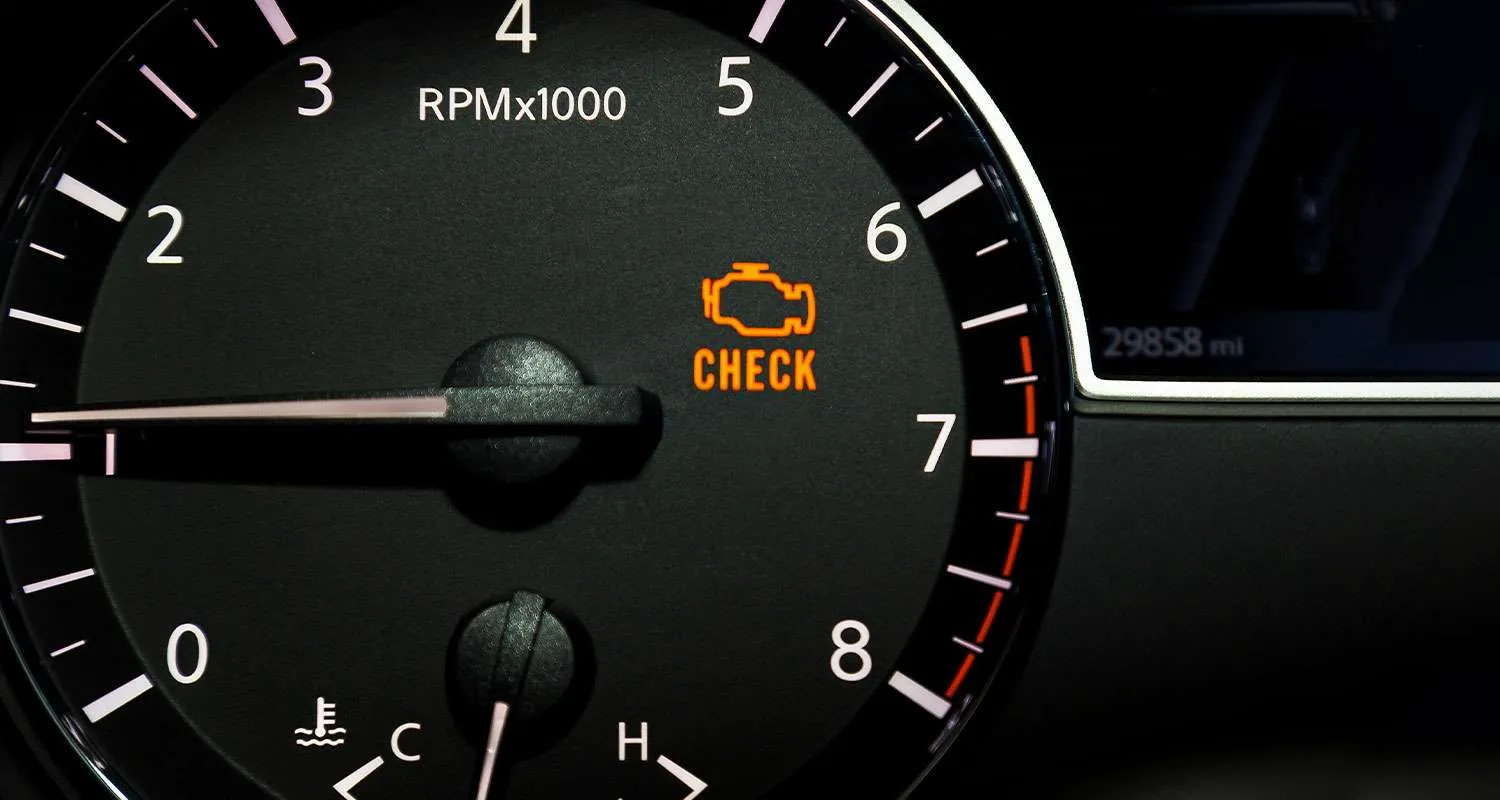
Check Engine Light – Can indicate anything from a loose gas cap to a sensor or emissions issue.
Oil Pressure Light – Signals low oil pressure. Continuing to drive can cause serious engine damage.
Battery Light – May indicate charging system or alternator problems.
Temperature Warning Light – Your engine may be overheating.
Brake Warning Light – Could signal low brake fluid or a braking system issue.
Tire Pressure Light – One or more tires may be underinflated.
Some lights are caution alerts, while others indicate urgent problems.
What To Do When a Warning Light Comes On
If a warning light appears, take these steps:
- Stay calm and assess the situation. Notice whether the vehicle feels or sounds different.
- Check if the light is flashing. Flashing lights usually indicate a more serious issue.
- Avoid aggressive driving. Reduce acceleration and avoid hard braking.
- Check simple items first. For example, tightening your gas cap can sometimes resolve a check engine light.
- Schedule a diagnostic inspection. Professional vehicle diagnostics can quickly identify the cause before the problem becomes more expensive to repair.
Why Diagnostics Matter
Modern vehicles rely heavily on sensors and computer systems. A warning light doesn’t always tell you the exact problem — it simply signals that the vehicle has detected something outside normal operating conditions.
Diagnostic testing allows technicians to:
- Read stored fault codes
- Identify the underlying issue
- Determine whether repairs are needed
- Prevent unnecessary work
This process helps ensure the correct problem is identified before repairs begin.
When You Should Stop Driving Immediately
Some warning lights require immediate attention. If you see any of the following, you should stop driving as soon as it is safe to do so:
- A flashing check engine light
- An oil pressure warning
- An engine temperature or overheating light
- A brake system warning combined with performance changes
Continuing to drive under these conditions can lead to severe engine damage or safety risks.
Local Driving Conditions in Henderson & Las Vegas
Drivers in the Las Vegas Valley deal with extreme summer heat, stop-and-go traffic, and long stretches of highway driving. These conditions can put additional stress on cooling systems, batteries, and electronic sensors.
Because of these conditions, warning lights related to temperature, batteries, and emissions systems are relatively common in our area especially during the hotter months.
Routine inspections can help identify potential issues before they trigger warning lights.
Frequently Asked Questions
Can I drive with the check engine light on?
If the light is steady (not flashing) and the vehicle feels normal, you can usually drive short distances. However, the issue should be inspected soon to prevent potential damage.
Does a warning light always mean an expensive repair?
No. Sometimes the issue is minor, such as a loose gas cap or sensor malfunction. Diagnostic testing helps determine the true cause.
Will the warning light turn off on its own?
Sometimes the light may turn off temporarily, but the system may still have stored fault codes. It’s still a good idea to have the vehicle checked.
Is diagnostic testing worth it?
Yes. Identifying the issue early often prevents larger, more expensive repairs later.
The Bottom Line
Dashboard warning lights are your vehicle’s way of asking for attention. Some indicate small issues, while others signal problems that need immediate attention.
If a warning light appears and you’re unsure what it means, The Muffler Shop is here to help.
We provide clear, straightforward diagnostics and explain your options so you can make informed decisions about your vehicle.
📞 Call us to schedule an inspection 702-990-1529